

Why Flour Distribution Matters More Than Ever
Flour is one of the most important ingredients in the food business. It is used across a wide range of commercial kitchens, including bakeries, restaurants, cafes, hotels, cloud kitchens, and catering operations. From breads and cakes to pizzas, gravies, coatings, and traditional flatbreads, flour plays a foundational role in daily production.
Because it is such a basic ingredient, it is easy to underestimate the importance of how it is sourced and delivered. But for professional kitchens, flour distribution is about much more than supply alone. It affects food quality, cost control, production schedules, and customer satisfaction. If flour is inconsistent, delayed, or poorly handled, the impact can be felt across the entire kitchen operation.
That is why businesses need a dependable distribution system that supports both quality and continuity. Chefcart helps simplify that process by making flour procurement easier and more reliable for the HoReCa industry.
The Role of Flour in Commercial Kitchen Operations
In a home kitchen, flour may be just another pantry item. In a commercial kitchen, it is a high-volume ingredient that directly influences output, consistency, and efficiency. Kitchens rely on flour every single day, often in bulk quantities, and even small supply issues can create major operational disruptions.
A bakery may depend on multiple flour types for cakes, artisan bread, puff pastry, and cookies. A restaurant may need flour for rotis, naan, sauces, batters, and desserts. A pizza kitchen may require flour with specific strength and texture for perfect dough performance. Each of these use cases demands the right flour, in the right quantity, at the right time.
Chefcart supports these needs by helping businesses access flour in a way that aligns with professional kitchen expectations. Instead of treating flour as a generic commodity, the focus shifts to suitability, consistency, and dependable fulfillment.
The Challenge of Finding the Right Flour
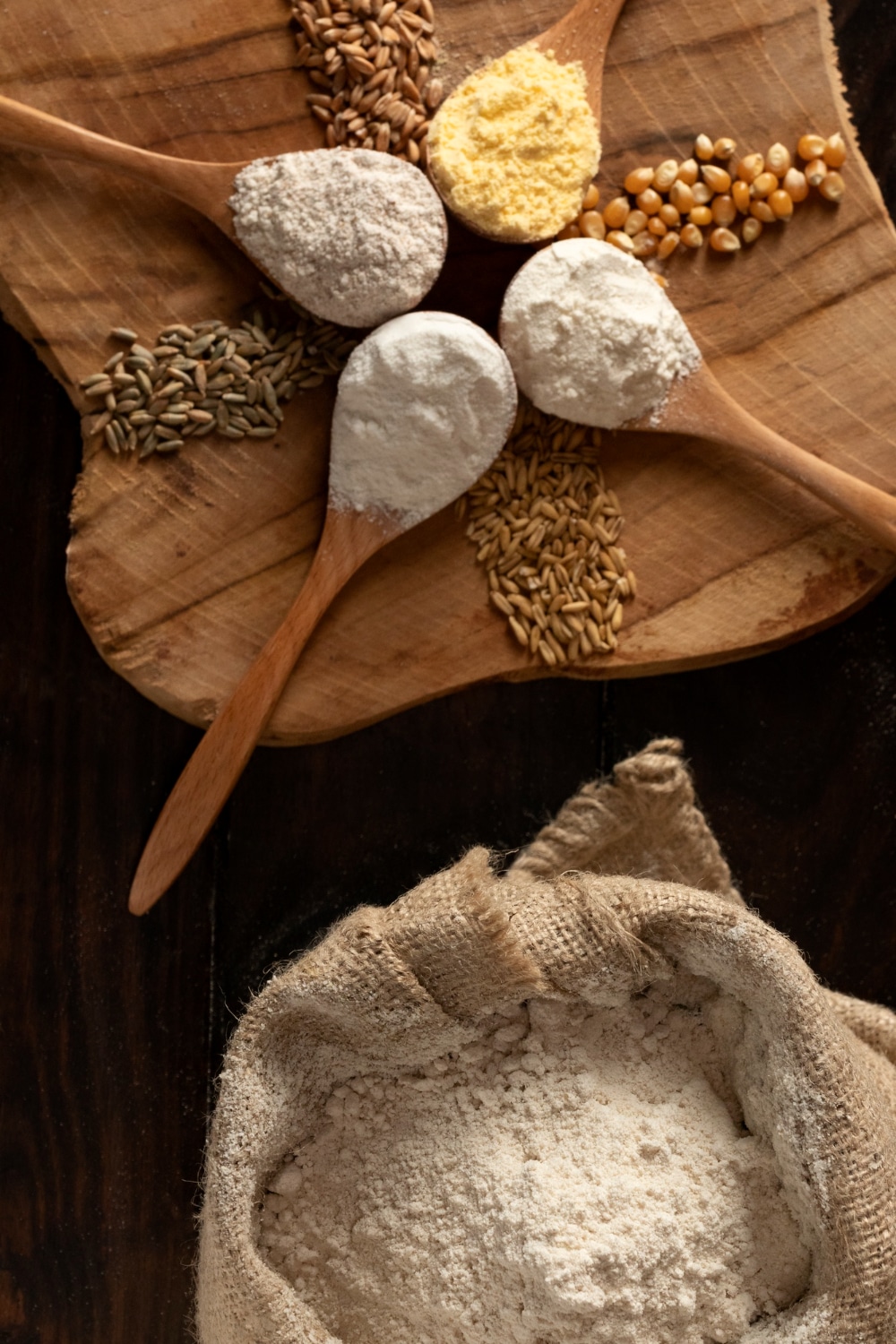
Not all flour is the same. Different food businesses need different varieties depending on what they serve and how they produce it. A commercial kitchen cannot simply substitute one flour for another without affecting the final result. Texture, absorption, gluten strength, freshness, and milling quality all matter.
For chefs and procurement teams, sourcing the correct flour is not only about availability. It is also about confidence. They need to know that the product they order today will match the product they ordered last week. Inconsistent flour can lead to poor dough development, uneven baking, weak structure, and variations in taste or appearance.
Chefcart makes this easier by helping streamline access to products that suit specific business needs. This gives kitchens greater control over what enters their production line and reduces the risk of quality variation.
Why Consistency Is Critical in Foodservice
Consistency is one of the most valuable assets in the food industry. Customers expect the same quality every time they order a dish, whether they visit once a week or every day. If the raw ingredients change too often, the final product changes as well.
This is especially true for flour-based items. Bread texture, pastry lift, pizza crust elasticity, and batter performance all depend on ingredient stability. Even minor fluctuations in flour quality can affect the kitchen’s output. For a business serving at scale, inconsistency creates waste, delays, and a weaker customer experience.
Chefcart helps reduce that uncertainty by supporting a more reliable procurement process. When kitchens receive flour they can trust, they are better able to maintain standards across service periods, teams, and locations.
Quality Handling Across the Supply Chain
Flour distribution is not just about buying and delivering bags. It also includes how the product is stored, packed, moved, and received. Flour is sensitive to moisture, contamination, and poor storage conditions. If handling standards are weak, the flour may lose freshness or perform unpredictably in the kitchen.
This can create several problems. Dough may not rise as expected, baked products may turn out dense or dry, coatings may not bind properly, and food waste may increase. These issues affect not only quality but also profitability.
Chefcart supports better sourcing practices by helping businesses work with a more organized supply model. This matters because kitchens need assurance that the flour they receive has been handled in a way that preserves its performance and safety.
Managing Cost Without Compromising Standards
Flour is often purchased in large volumes, which means pricing has a direct impact on food costs. Even a small difference in flour cost can affect margins over time, especially for businesses operating across several outlets or producing high volumes each day.
At the same time, choosing flour based only on the lowest price can create larger problems later. Poor quality, inconsistency, or unreliable deliveries can lead to rework, wastage, and service disruptions. In the long run, those costs are often higher than the savings from cheaper purchasing.
Chefcart helps businesses take a more balanced approach. With a more structured procurement process, kitchens can make better buying decisions, reduce last-minute purchases, and improve cost visibility. This supports stronger planning without compromising product quality.
The Importance of Timely Deliveries
Every commercial kitchen works on tight timelines. Preparation schedules, production cycles, and service windows all depend on ingredients arriving when they are needed. A delay in flour delivery can slow down an entire operation, especially when the ingredient is used in multiple menu items.
For bakeries, that may mean postponed batches and missed sales windows. For restaurants, it can affect fresh bread service, batters, sauces, or flatbread preparation. For cloud kitchens, delays can create stress during peak demand hours when speed matters most.
Chefcart is built with these operational realities in mind. Reliable replenishment helps kitchens move from reactive purchasing to more confident planning. That improves workflow stability and reduces the pressure of emergency sourcing.

Supporting Growing and Multi-Outlet Businesses
As food businesses expand, procurement becomes more complex. What works for one outlet may not work for five or ten. Ordering patterns may differ, stock management may become uneven, and ingredient consistency may vary across locations.
This creates a major challenge for brands that want to deliver a uniform customer experience. If one location receives different flour quality than another, the final product can change. That weakens standardization and makes kitchen management harder.
Chefcart helps support scaling businesses by simplifying how they manage recurring ingredients like flour. A more centralized and dependable supply approach can help improve consistency across outlets and support smoother expansion.
Hygiene, Reliability, and Trust in Procurement
Modern food businesses are paying closer attention to hygiene, traceability, and sourcing reliability. Procurement is no longer just about placing an order and receiving stock. Businesses now look for supply partners who support stronger quality discipline and more dependable service.
This is particularly important for staple ingredients like flour, which are used so widely across the menu. A trusted supply process gives chefs and operations teams greater peace of mind. It also helps create better internal controls around inventory, quality checks, and kitchen readiness.
Chefcart fits well into this modern procurement environment by combining convenience with professional supply expectations. That makes it easier for food businesses to build a sourcing system they can rely on consistently.
Saving Time for Chefs and Procurement Teams
One of the biggest hidden costs in kitchen procurement is time. Traditional sourcing often involves multiple vendor calls, stock checks, price comparisons, follow-ups, and issue resolution. All of this takes time away from higher-value work such as food innovation, kitchen management, training, and customer experience.
When procurement becomes simpler, teams can focus more energy on running the business effectively. This is especially valuable in fast-moving food operations where every hour counts.
Chefcart helps reduce this burden by offering a more efficient procurement experience. For staple items like flour, these time savings can quickly add up and improve overall operational flow.
Chefcart’s Value in Flour Distribution
Chefcart is not just a platform for ordering ingredients. It is a practical procurement partner for businesses that need reliability, consistency, and ease in their supply chain. Flour distribution is one area where that value becomes especially visible because the ingredient is so central to daily production.
By simplifying sourcing, supporting dependable supply, and aligning with the needs of professional kitchens, Chefcart helps businesses handle procurement more strategically. This can lead to smoother operations, better standardization, and stronger kitchen performance over time.
For food businesses that want to reduce uncertainty and build a more efficient sourcing system, Chefcart offers a clear advantage.
Building Stronger Kitchens Through Better Supply
At its core, flour distribution is not just about logistics. It is about keeping kitchens productive, brands consistent, and customers satisfied. A reliable flour supply supports everything from preparation and production to quality control and cost management.
Chefcart helps businesses treat procurement as a strategic function rather than a daily struggle. With a more dependable approach to flour sourcing, commercial kitchens can improve efficiency, maintain standards, and focus on delivering great food at scale.
In a competitive foodservice landscape, that kind of supply confidence can make a real difference.